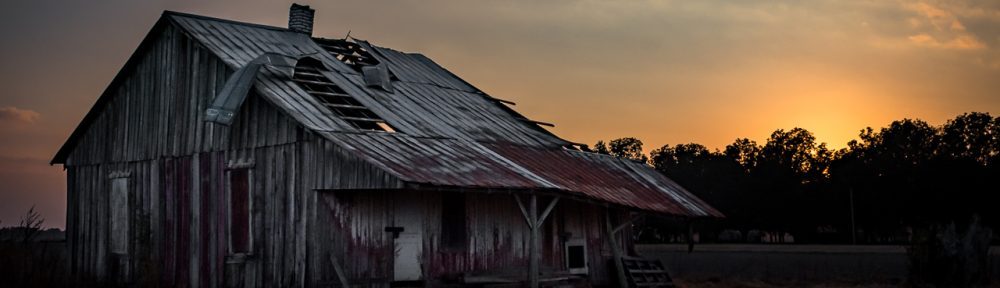
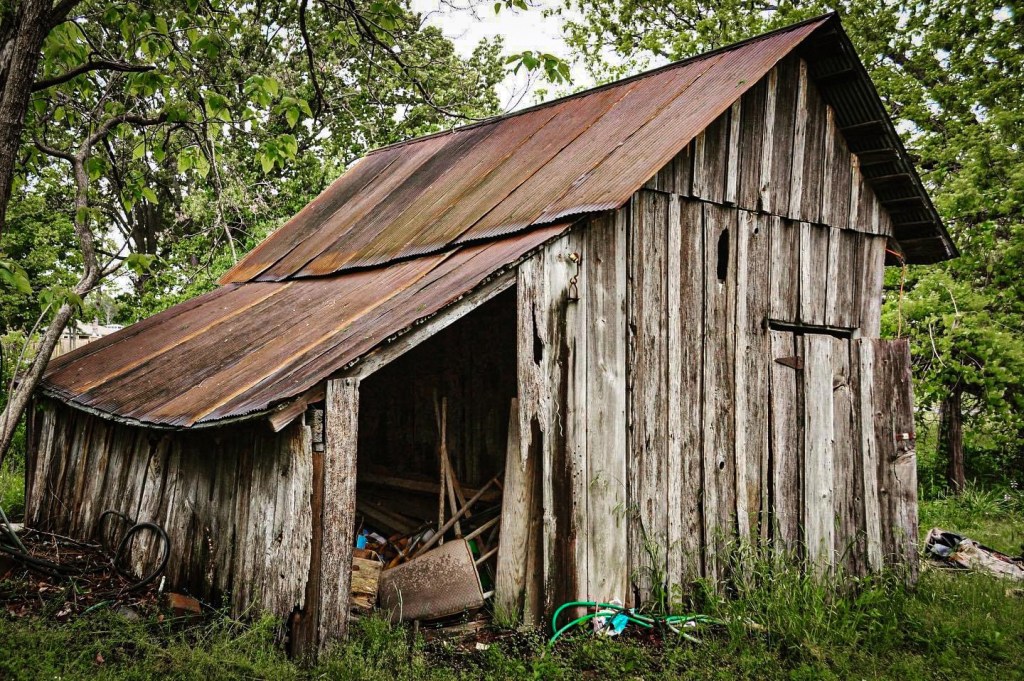
Nestled among mature pecan trees and the gnarled grapevines, Pappaw’s smokehouse stood as a testament to bygone days. Its timeworn boards sagged under the weight of countless seasons, each groove etched with stories of laughter, love, and sustenance. Once, it had been more than mere shelter—it was a chamber of alchemy, where fragrant hickory and oak danced with fire, transforming humble cuts of meat into savory sustenance.
The family would gather there, their laughter mingling with the aromatic tendrils that escaped through the gaps in the wood. Children played tag around its sturdy legs, their imaginations fueled by the promise of secret hideaways within. Pappaw’s daddy, with his weathered hands, tended the fire, coaxing flavors from the smoke. The air itself seemed to carry the taste of smoked ham and bacon, a comforting embrace for all who entered.
But as the years wore on, Pappaw’s family grew smaller, and the fires in the smokehouse dwindled. The once-bustling gatherings became intimate affairs—a handful of loved ones huddled around the hearth, sharing memories and savoring the fading warmth. The scent of hickory lingered, but it no longer permeated the air with the same vigor.
The transformation was gradual. The smokehouse became a storage shed, its shelves laden with rusty tools, broken plows, and forgotten dreams. The scent of cured meats gave way to the mustiness of damp earth. Spiders wove intricate lacework across the forgotten corners, and the hinges groaned when the door swung open. The family rarely glanced its way, their lives consumed by busyness and change.
Still, there remained a magic about Pappaw’s smokehouse, a quiet resilience. It stood firm against encroaching vines, its chimney pointing toward the heavens. The sun painted patterns on its rusting roof, and the moon cast elongated shadows through gaps in the eaves. Some whispered that the smokehouse held memories etched into its very beams, the laughter of grandfathers, the tears of mothers, and the quiet giggles of children playing hide-and-seek.
Then came the autumn morning—the day the new owners arrived. They saw the smokehouse as an eyesore, a relic that hindered their vision of turning the old house into a wedding venue. The bulldozer arrived, its metal jaws hungry for timber. But Pappaw’s smokehouse resisted. Ancient timbers groaned as they were pried apart, dust swirling like memories set free.
As the last board fell, the smokehouse released its final sigh, a lament for days gone by. Pappaw’s smokehouse was no more and its secrets buried beneath splintered wood. Yet, in the quiet of the night, when the wind rustled through the grass, some claimed they heard echoes of laughter, the confessions, and the promises, rising from the earth.
And so, the old smokehouse transformed into a memory, etched into the collective consciousness of the family. Its legacy persisted in the stories handed down from generation to generation. The children could no longer explore its ruins or listen to the tales of old, for all those who once used the old smokehouse, when smoke curled from its chimney, had departed from this world.
Perhaps Pappaw’s smokehouse still stands as a phantom structure, its walls serving as a poignant reminder that even in demolition, beauty, history, and the quiet resilience of forgotten places endure.
 Photographs and Memories