Unknown's avatar

About laurieskillern

Photographer | Writer Hello! I'm a photographer who seeks solace in the forgotten corners of the world. My lens captures the haunting beauty of decay, abandoned places, and hidden histories. After 48 years of keeping my work hidden, I've finally decided to share my writings with the world. Each word carries the weight of memories, and every sentence is a testament to resilience – especially after being told I'd never be a writer. My photography and writing transcend mere aesthetics; they're my lifeline. In the midst of depression, they remind me that beauty exists even in decay. Through my lens and pen, I find healing and connection, weaving stories that echo across time. Welcome to “Photographs and Memories,” where images and words intertwine, creating a tapestry of emotions and forgotten tales. Feel free to explore – you’re invited to wander through the echoes of the past.

The Silent Watcher

The Mathis-Hyde House in Augusta, Arkansas stands as a silent sentinel, its timeworn facade concealing secrets that defy explanation. As a photographer, I ventured there one early morning, my camera capturing the play of shadows on the peeling paint.
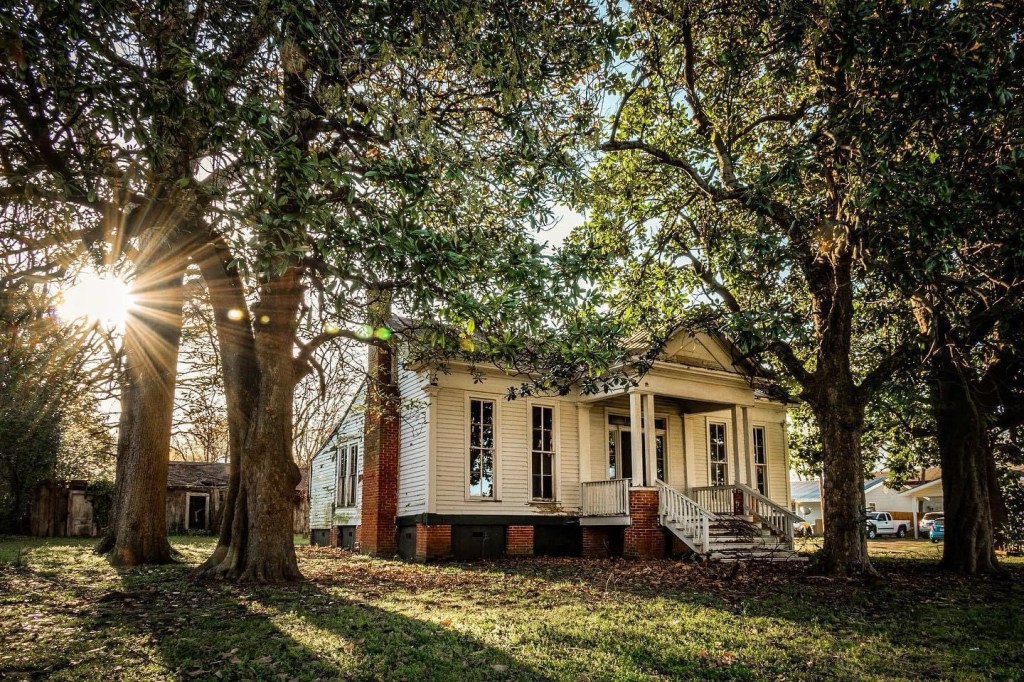
The Mathis-Hyde House in Augusta, AR built 1865

The air felt unusually thick, laden with whispers. I adjusted my lens, framing the beautiful old details and the ancient oak tree beyond. But something shifted—a chill that crept up my spine. I glanced over to the barn, expecting to see a caretaker standing near.

Yet, the door hung askew, its rusty hinges protesting. And there, I glimpsed a figure—an otherworldly silhouette against the darkness of the early morning shadows.
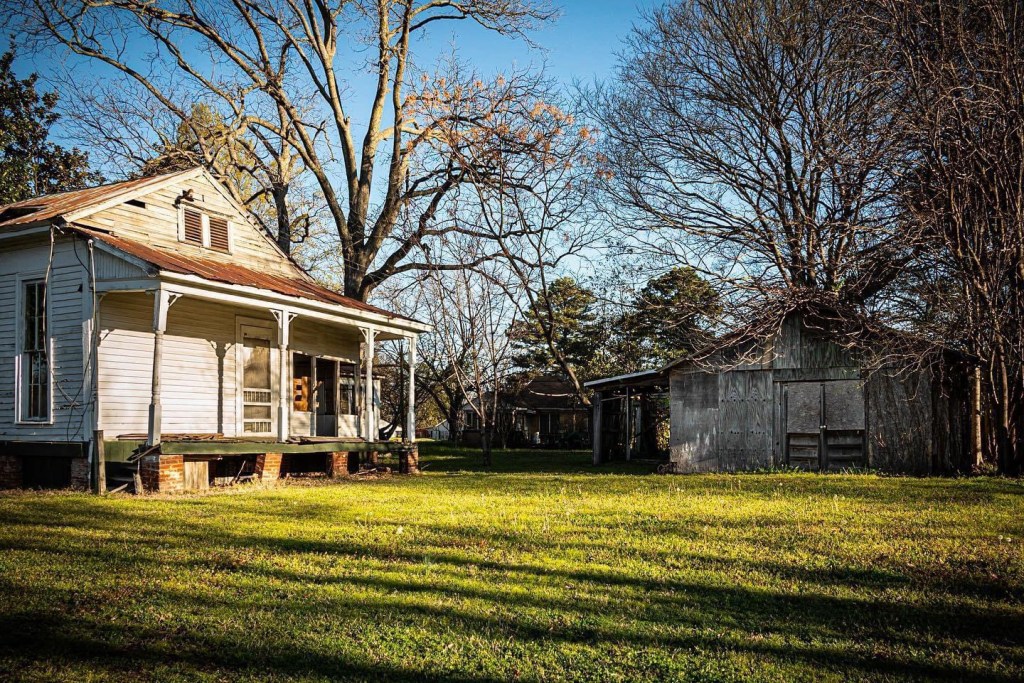
The Mathis-Hyde House and Barn in Augusta, AR built 1865

My breath caught. The figure stood motionless, eyes fixed on me. Was it a trick of the light? Or had the past awakened, reaching across time to watch me?

As I hurried away, the whispers followed—the soft rustle of long-forgotten letters, the echo of laughter, and the weight of unspoken stories. The Mathis-Hyde House held its secrets close, and that day, it shared them with me.

So, fellow wanderer, heed my tale. When you visit, know that you’re not alone. The house remembers, and it watches.
Whispers in Widow’s Rest

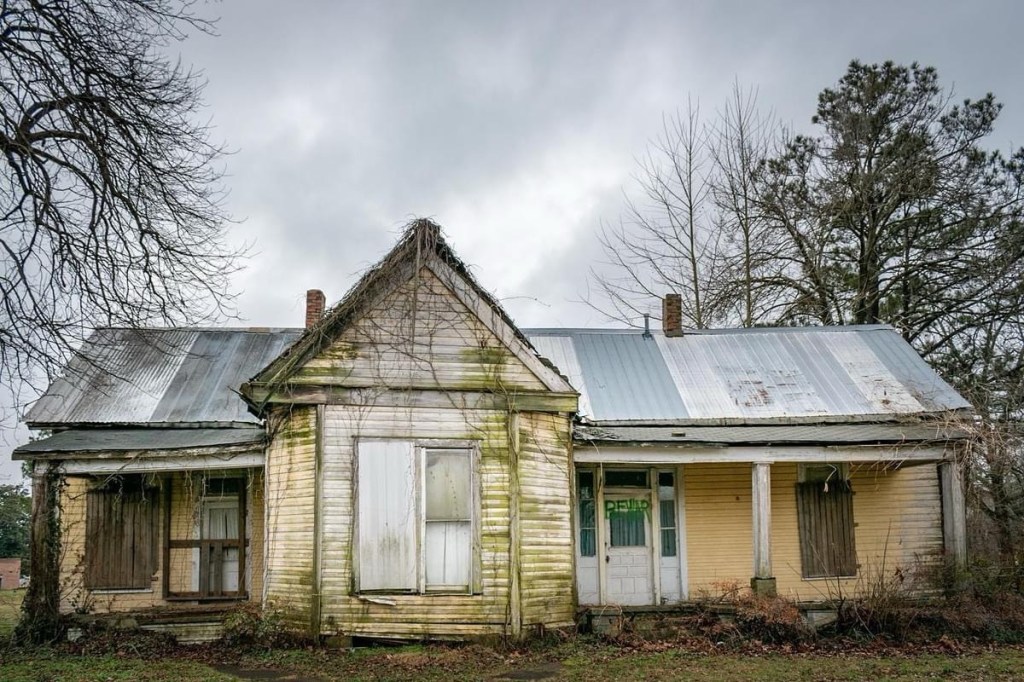
The Ozarks held secrets—ancient whispers woven into the very fabric of the mountains. Among the gnarled trees and moss-covered stones, there stood an abandoned cottage. Its timeworn walls sagged, and the roof bore the weight of forgotten memories. The locals called it “Widow’s Rest,” a place where time itself seemed to unravel.

One moonless night, as mist clung to the valley, a lone photographer named Eliza ventured into the heart of the Ozarks. Her camera, an extension of her soul, captured moments that others overlooked. She sought beauty in decay, stories in the peeling paint and broken windows.

Widow’s Rest beckoned her—an irresistible pull. Its door creaked open, revealing a dim interior. Moonlight filtered through gaps in the roof, casting ethereal patterns on the wooden floor. Eliza stepped inside, her breath catching at the sight before her.

A transparent figure hovered near the fireplace—a ghostly silhouette. Its eyes held sorrow, and its form flickered like an old film reel. Eliza’s heart raced; she had never encountered a spirit so vivid. The ghost wore a tattered dress, its edges blending seamlessly with the air.

“Who are you?” Eliza whispered, her lens focused on the apparition. The ghost tilted its head, as if considering her question. No words emerged, only a mournful sigh that echoed through the cottage.

Eliza’s camera clicked—a frozen moment. The ghost reached toward the hearth, its fingers grazing the cold ashes. She wondered about its story—love lost, betrayal, unfinished business. Perhaps it yearned for release, a final chapter etched into the Ozark soil.

The walls seemed to absorb memories—the laughter of children, the scent of wood smoke, and whispered promises.

The ghost drifted closer, its form merging with Eliza’s shadow. She felt its ache—the weight of forgotten love, the pull of unfinished journeys. In that fragile connection, Eliza understood. The Ozarks held more than decay; they cradled forgotten souls, waiting for someone to remember.

As dawn approached, Eliza captured one last image—the ghost fading into the morning mist. Widow’s Rest would remain, its walls echoing with whispers. And Eliza? She vowed to honor the ghost’s presence, to listen to the stories carried by the wind through the ancient trees.

Cotton Plant, Arkansas

The Haunting of War Eagle Mill: Eerie Tales from the Past

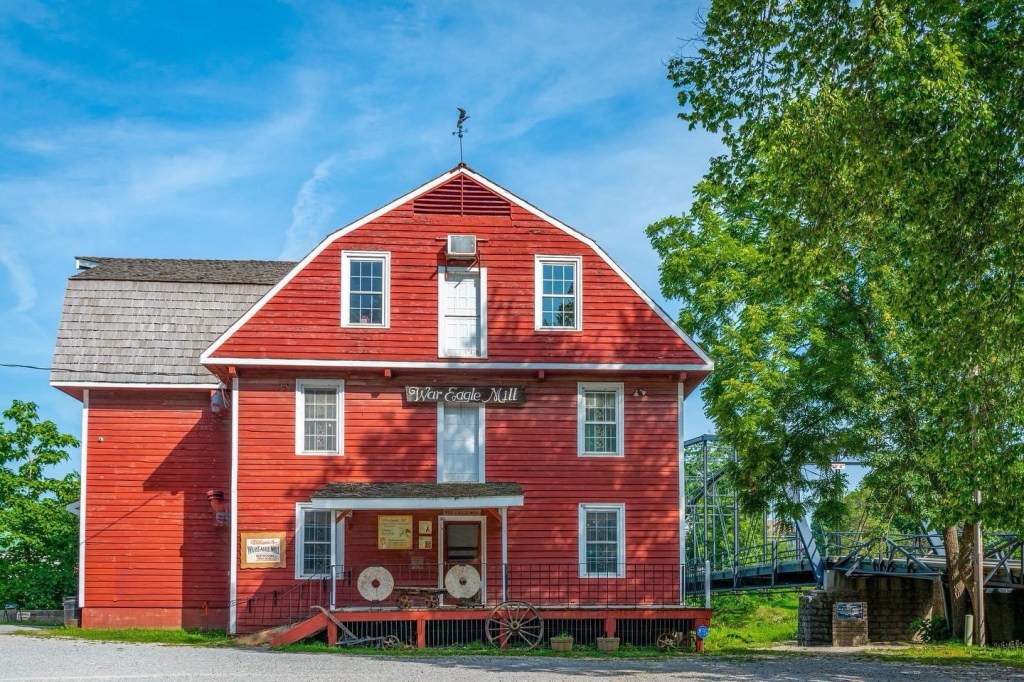
War Eagle Mill in 2015

Introduction

1. Sylvanus Blackburn’s Poltergeist

Nestled in the picturesque War Eagle Valley, the historic War Eagle Mill stands as a testament to the past. Its weathered timbers and moss-covered stones whisper stories of pioneers, battles, and restless spirits. Let’s delve into the ghostly legends surrounding this iconic gristmill.

  • Origins: The mill was first erected in 1832 by Sylvanus and Catherine Blackburn, a young pioneer couple.
  • Restless Spirit: Sylvanus, even in death, refuses to leave his beloved mill. Visitors report encountering him as a poltergeist, playfully tossing items or creating loud disturbances.
  • Whispers in the Air: Some claim to hear quiet conversations when no one else is present. Could it be Sylvanus reminiscing about the mill’s past?
  • The Old Man with the White Beard: Witnesses describe seeing an elderly man with a long white beard wandering the grounds. Is this Sylvanus, forever tied to his creation?

2. The Confederate Soldier’s Specter

  • A Sad Sentinel: Along the War Eagle River, a transparent figure roams. This Confederate soldier gazes into the water, burdened by unseen sorrows.
  • Battle of Pea Ridge: Was he a casualty from the nearby Battle of Pea Ridge? Or perhaps a soldier who scavenged the area during supply shortages?
  • Collective Apparitions: Some visitors claim to witness several Confederate soldiers patrolling the grounds. Their spectral duty endures, even after death.³

3. After-Hours Poltergeist Activity

  • Inside the Mill: The third-floor kitchen harbors a mischievous spirit. Chairs move on their own, strange noises echo, and tea dispenser lids take flight—all in the dead of night.
  • Why Does Sylvanus Linger? The mill has been destroyed and rebuilt three times since Sylvanus and Catherine’s time. Perhaps his attachment transcends mere mortality.
  • Tourist Attraction: Today, War Eagle Mill draws curious visitors. As the only working watermill in Arkansas, it hosts annual craft fairs and preserves a slice of history.
  • Legacy of Lumber: Lumber cut at the War Eagle sawmill contributed to Fayetteville’s growth, including the iconic Old Main on the University of Arkansas campus.

Conclusion

War Eagle Mill’s creaking floors and sun-dappled windows hold secrets—a blend of nostalgia, love, and the paranormal. Whether you’re a believer or a skeptic, the spirits of Sylvanus, the Confederate soldier, and the man with the beard continue their eternal dance within these ancient walls.


Feel free to share your own eerie photos or videos from your visits to War Eagle Mill!


References:

  1. War Eagle Mill Official Website
  2. Ghosts of War Eagle Mill – YouTube Video
  3. The Hauntings of Arkansas’ War Eagle Mill – 4029tv.com
  4. War Eagle Mill on 4029 News
  5. The Ozark Traveler – Ghosts of Northwest Arkansas

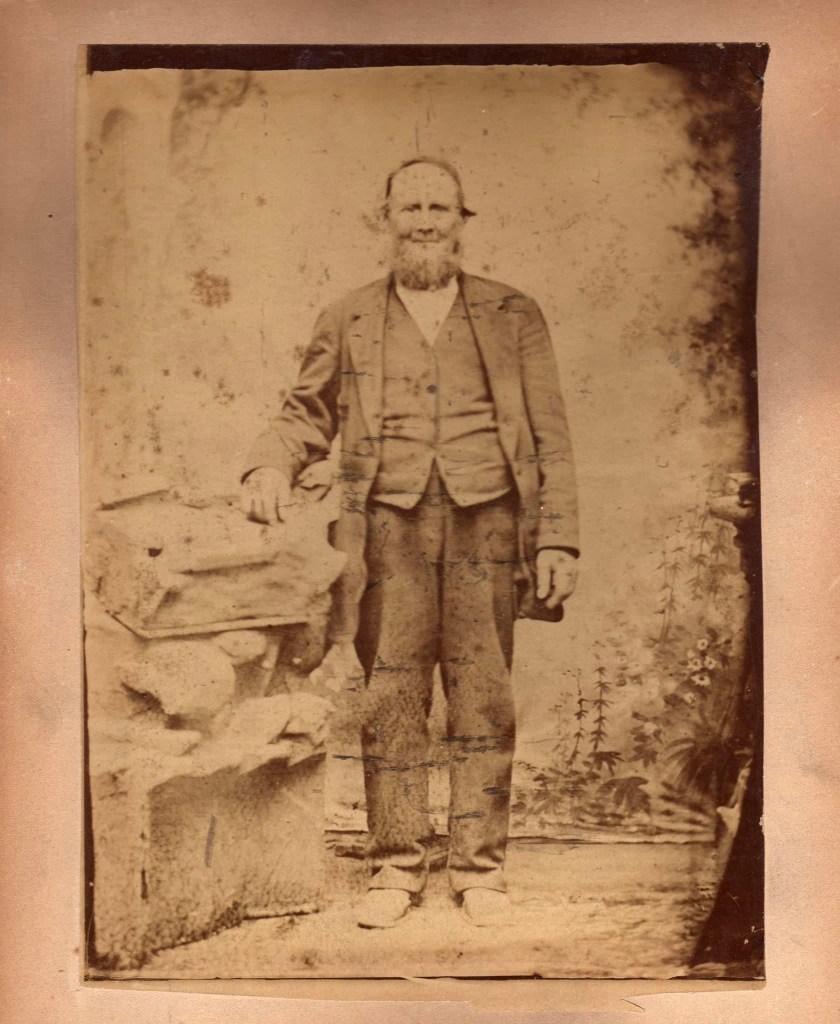
William D Whitney, 47 Year Old Brickwall

William D Whitney, 1821-?

William D Whitney was born about 1821 in Ohio. Parents unknown. The first official record of him is a marriage record. He married on 1 April 1841 in Athens County Ohio to a Emily (or Mary) French. She went by Amelia on most records.

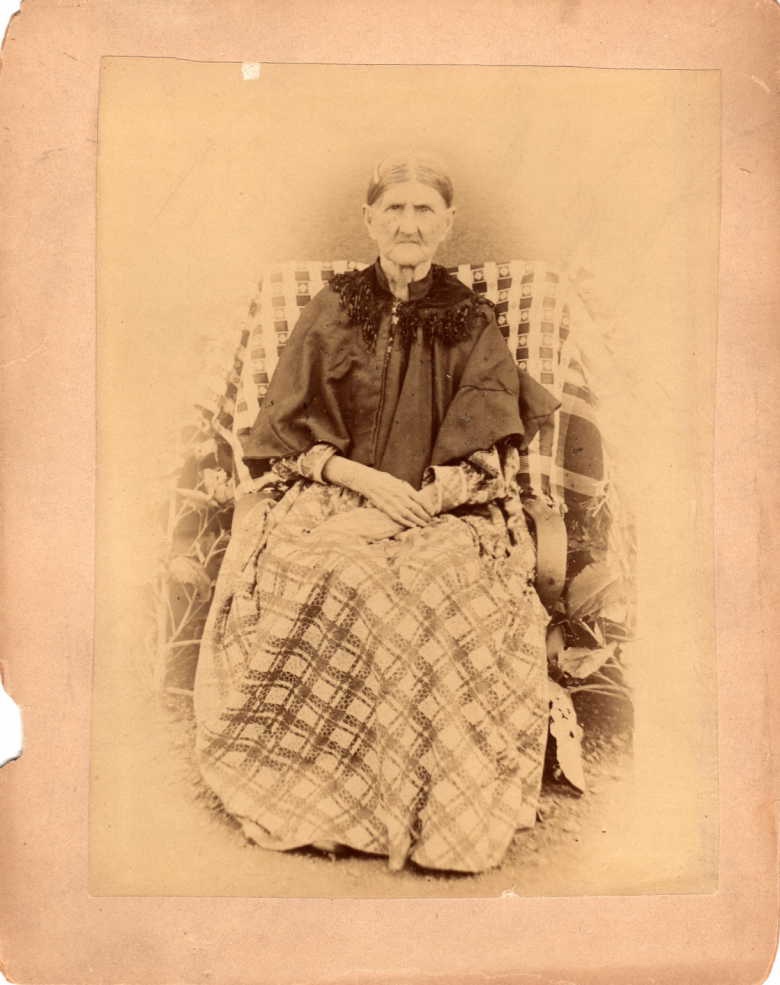
Amelia French, 1822-1906(?)

William and Amelia are next found on the 1850 US Federal Census, Section 10, Van Wert County, Ohio in the same home as the family of Sarah Brees Cline. Relationship unknown. Amelia’s sister Sarah French is living with them. William and Amelia have three children: John, Miriam, and Henry L.

In 1860, the family had moved to Lake, Logan County, Ohio and there are six children: John, Henry, Charles, Mathew, David and Sarah.

Miriam is not listed with the family in 1860 and there is a Miriam Whitney, daughter of W D and A Whitney, that is buried in Spoon Cemetery, Wharton, Wyandot, Ohio. The dates on Find-A-Grave don’t quite match but the tombstone image is not legible. Amelia’s sister Nancy M French Case lived in Wyandot County. I believe there is an error on Find-A-Grave and that the Miriam listed actually died in 1857 and that would line up to be the correct Miriam.

By 1870, William, Amelia and six children: John, Henry, Martha (?), David, Sarah and James are in Meramec, St Louis, Missouri. The whereabouts of Charles and Mathew are unknown.

The 1880 US Federal Census lists, William and Amelia living with two of their children: Sarah and James as well as a 6 year old granddaughter, Levina F. (parents unknown). They are in Ramsey, Fayette County, Illinois.

Nothing is known of William D Whitney after that. By 1900 his wife is listed on the census, living with her daughter, as a widow.

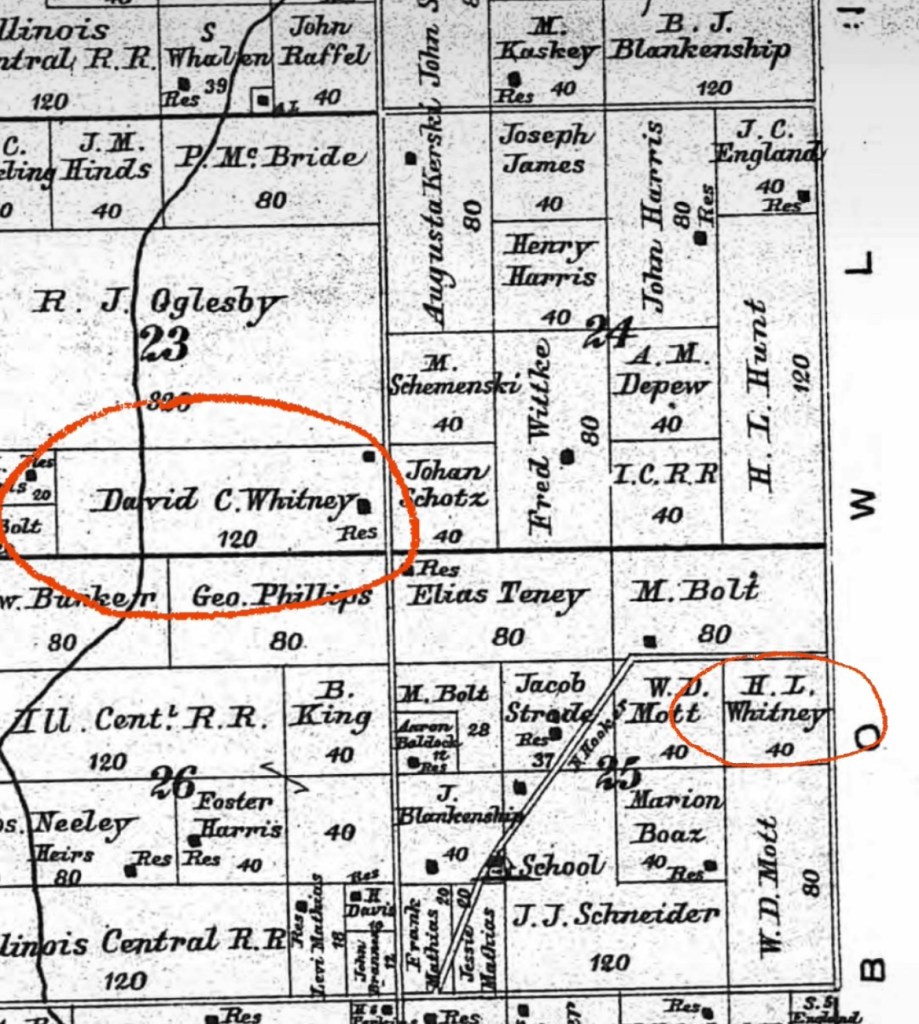
A 1891 plat map of Fayette County Illinois shows his sons, David Case Whitney, owning 120 acres and Henry Louis Whitney owning 40 acres. By 1900 David and Henry are living in East St Louis, St Clair, Illinois. Sarah, with Amelia, are living in Edwardsville, Madison County, Illinois.

Amelia is listed on the census as being the mother of 9 children, 4 living. The four are Henry, David, Sarah and Unknown. James died about 1897 and the nothing has been found about the other children. Nothing is known about the granddaughter on the 1880 census.

G. W. Adkisson of Conway

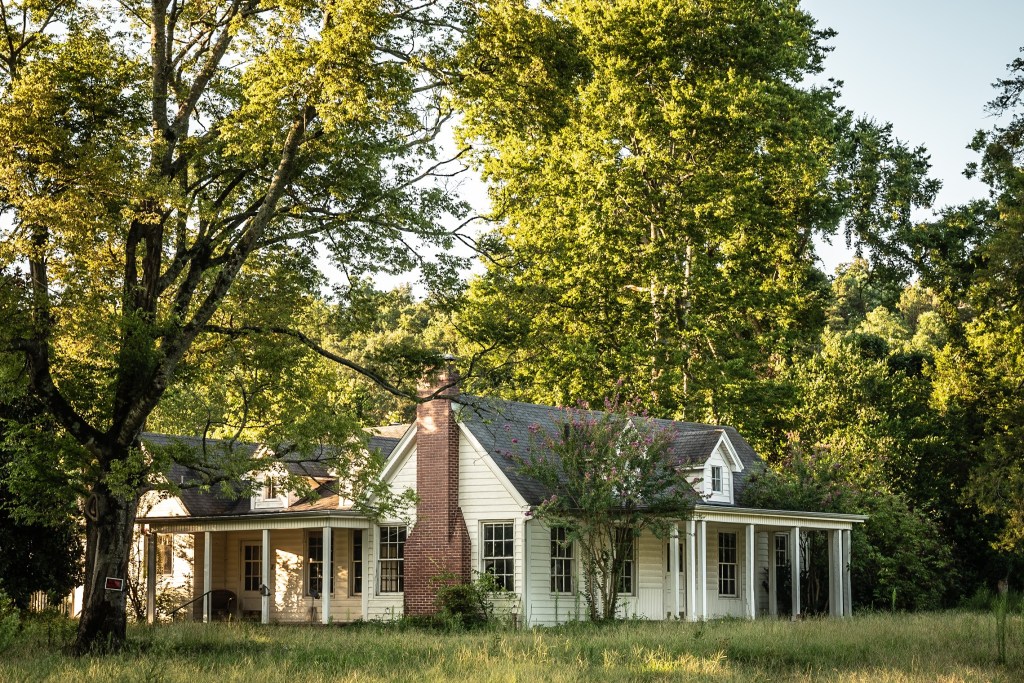
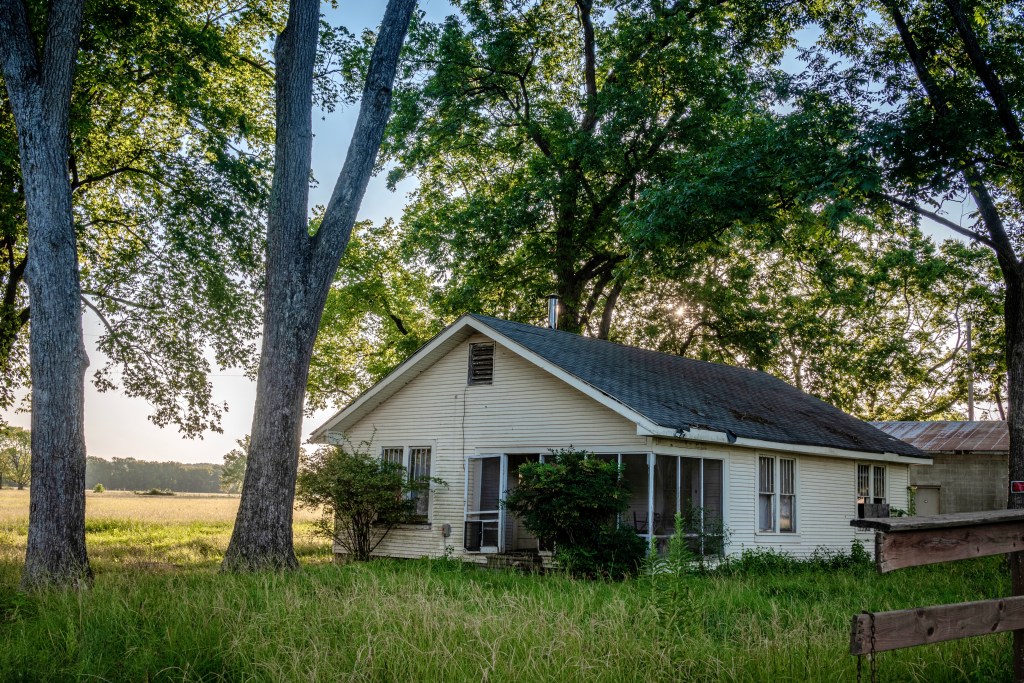
The Adkisson Family Farmhouse on Palarm Creek

George Washington Adkisson, was born 5 July 1864 in Mount Vernon, Faulkner County, Arkansas. His parents were Sampson “Sam” Adkisson and Martha W. Butler Adkisson of Mount Vernon, Arkansas.

He married Claudia Clara Lay on 11 February 1892. They had two children, Elsie Adkisson in 1892 and Samuel R. Adkisson in 1906. Sadly, Claudia Clara died 27 October 1909.

George married again on 12 January 1913 to Mary L. Robinette. They had four children, daughter Mary Margaret Adkisson in 1913, twin girls Ruth and Rubye in 1915 and son, George Washington Adkisson, Jr. in 1917.

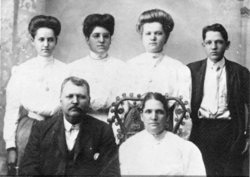
Mary L Robinette (second person, top row) pictured with parents and siblings.

The family lived in Conway but also loved spending time between on the “family farm,”aka Adkisson Plantation near Mayflower. The plantation was once the largest in the area and encompassed nearly 3000 acres in Faulkner and Pulaski Counties.

On 27 March 1934, George was working at the plantation when he suffered a stroke and was transported back to his home in Conway. His health continued to decline so he was sent to a Little Rock hospital. Unfortunately, he passed that night. Survivors included his wife and six children.

After her husband’s death, Mary took over managing the plantation and properties which she did until her death in 1969.

In 1965, George, Jr officially incorporated the Adkisson Plantation as Palarm Creek Plantation, Inc.

The family owned and continued to operate the farm until after the death of G. W. Adkisson, Jr. in 1996 and was sold in 1997 to investors.

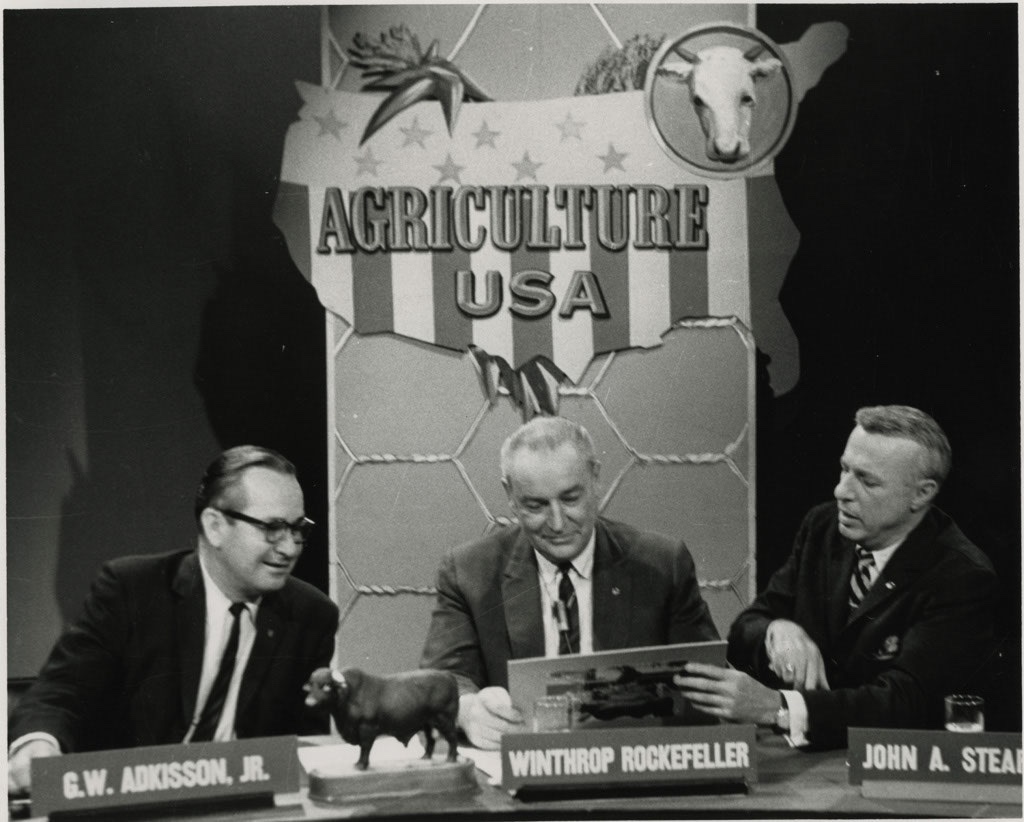
Just a little side note, George Jr. worked for Winthrop Rockefeller and was a manager of Winrock Farms on Petit Jean Mountain.

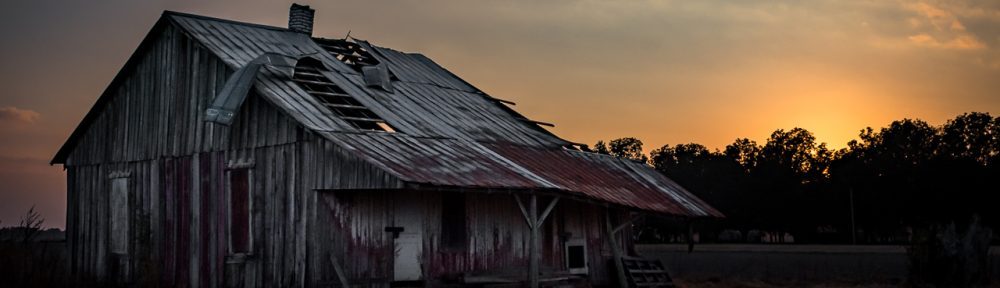
Another home on the Adkisson homesite.