Whispers from the Antebellum House

In the heart of a forgotten town, where time dances to a spectral tune, stands an old colonial home that was built in 1811. Its weathered facade, etched by centuries, tells stories of bygone eras.
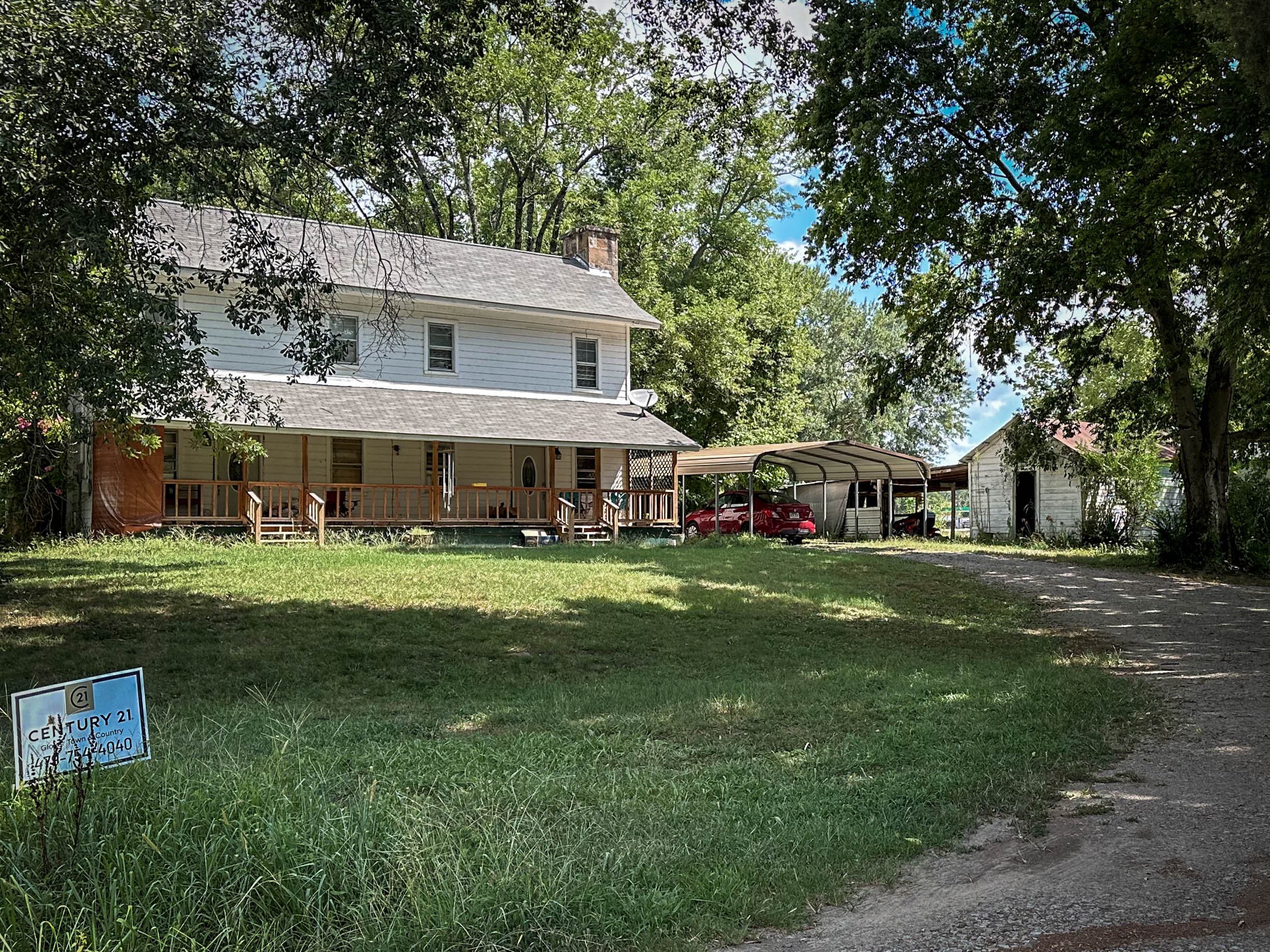
Nestled among century-old oak, black walnut, and pecan trees, the house exudes a quiet dignity. The land around it stretches like an ancient quilt, stitched together by fields that sway with the rhythm of seasons. The air smells of damp earth and memories, as if the very soil holds secrets.

Two stories tall, the house wears its age with grace. Its timeworn wooden siding bears the scars of countless storms, yet it stands proud. The two historic hand-stacked stone chimneys reach toward the heavens on either side of the home. They’ve witnessed generations gather around crackling fires, sharing tales of love, loss, and longing. The front porch spans the entire width of the house like a weathered stage where life’s dramas unfold. Here, rocking chairs creak in harmony with the wind, inviting visitors to sit and listen.

Locals murmur about its hidden history. Once a thriving stagecoach hub, the old house extended open arms to road-weary travelers seeking solace from the dusty trails. But behind the veneer of hospitality, shadows clung—a clandestine past woven into its timeworn walls. Some say it harbored secrets as a speakeasy, where laughter and jazz notes danced through dimly lit rooms. Others insist it moonlighted as a jail, its heavy doors concealing stories of transgressions and whispered confessions.

Two hundred feet from the back door, nestled within the property, lies an ancient Civil War cemetery—a patchwork of forgotten souls. Here, the air trembles with echoes of cannonfire and tearful farewells. The spirits of soldiers, long departed, roam these hallowed grounds, their ethereal forms seeking solace or perhaps unfinished battles.

The old stone building from the original kitchen, still stands behind the home. The old walls bore witness to culinary triumphs and mishaps, the burnt crust of a forgotten loaf, the alchemical fusion of spices in a stew. When storms raged outside, the kitchen remained a sanctuary, a refuge where hunger was tamed, and camaraderie flourished.

Within the aging home, the creaky stairs murmur secret echoes of hurried footsteps etched into their timeworn wood. In the dead of night, unseen hands trail cold fingers across skin, leaving shivers in their wake. Ascending the staircase, a spectral Victorian figure glides like a veiled silhouette whose gown rustles like autumn leaves caught in an eternal breeze.

The kitchen, a place where mundane and ethereal converged, holds its own mysteries. Thin wisps of smoke dances, defying logic, even when no appliance stirred. The doorbell chimes at odd hours, yet no visible visitor stands on the threshold. And the pet dog, ever vigilant, barks at shadows sensing what human eyes could not discern.

But most peculiar of all is the inexplicable drain on new batteries. As if the house hungers for energy, it devours their charge, leaving them lifeless. Was it a mere quirk of fate or evidence that the house itself pulses with an otherworldly appetite?

And so, the dwelling stands, a crossroads of realms, where memories whisper, and the veil between the living and the spectral grows thin.

For Sale: The sign stands discreetly near the dirt drive, weathered like the house itself. A chance for a new chapter, a brave soul to step into the echoes of history. Will you be the one to unlock its secrets? Perhaps, if you listen closely, you’ll hear the whispers that bind past and present.

Featured on “A Haunting” 2007
Whispers in Widow’s Rest

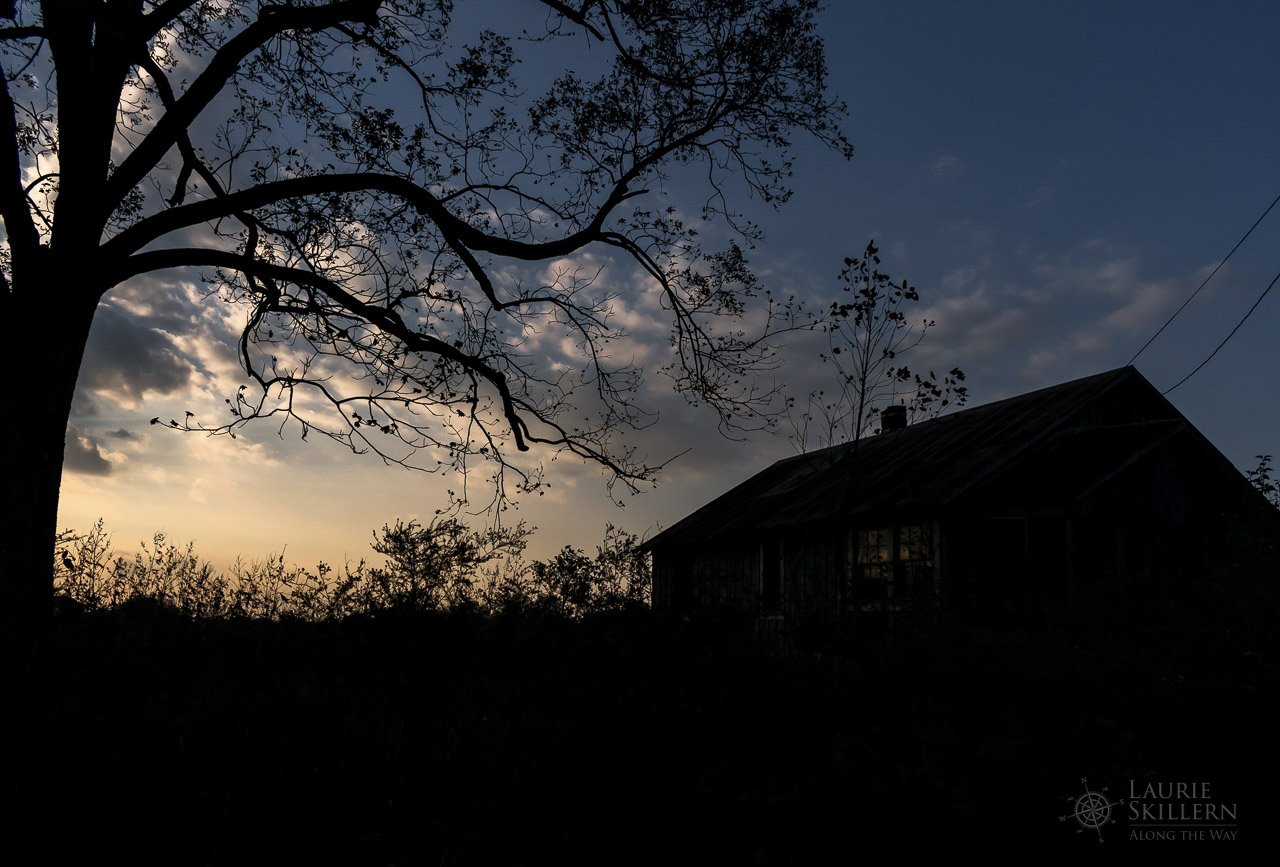
The Ozarks held secrets—ancient whispers woven into the very fabric of the mountains. Among the gnarled trees and moss-covered stones, there stood an abandoned cottage. Its timeworn walls sagged, and the roof bore the weight of forgotten memories. The locals called it “Widow’s Rest,” a place where time itself seemed to unravel.

One moonless night, as mist clung to the valley, a lone photographer named Eliza ventured into the heart of the Ozarks. Her camera, an extension of her soul, captured moments that others overlooked. She sought beauty in decay, stories in the peeling paint and broken windows.

Widow’s Rest beckoned her—an irresistible pull. Its door creaked open, revealing a dim interior. Moonlight filtered through gaps in the roof, casting ethereal patterns on the wooden floor. Eliza stepped inside, her breath catching at the sight before her.

A transparent figure hovered near the fireplace—a ghostly silhouette. Its eyes held sorrow, and its form flickered like an old film reel. Eliza’s heart raced; she had never encountered a spirit so vivid. The ghost wore a tattered dress, its edges blending seamlessly with the air.

“Who are you?” Eliza whispered, her lens focused on the apparition. The ghost tilted its head, as if considering her question. No words emerged, only a mournful sigh that echoed through the cottage.

Eliza’s camera clicked—a frozen moment. The ghost reached toward the hearth, its fingers grazing the cold ashes. She wondered about its story—love lost, betrayal, unfinished business. Perhaps it yearned for release, a final chapter etched into the Ozark soil.

The walls seemed to absorb memories—the laughter of children, the scent of wood smoke, and whispered promises.

The ghost drifted closer, its form merging with Eliza’s shadow. She felt its ache—the weight of forgotten love, the pull of unfinished journeys. In that fragile connection, Eliza understood. The Ozarks held more than decay; they cradled forgotten souls, waiting for someone to remember.

As dawn approached, Eliza captured one last image—the ghost fading into the morning mist. Widow’s Rest would remain, its walls echoing with whispers. And Eliza? She vowed to honor the ghost’s presence, to listen to the stories carried by the wind through the ancient trees.

Cotton Plant, Arkansas

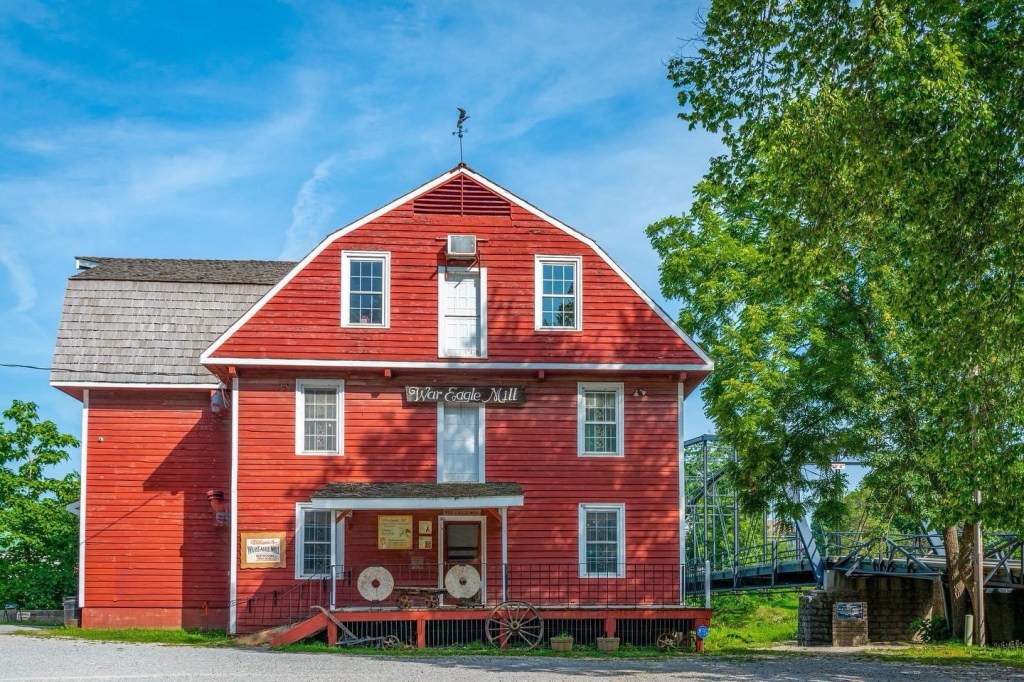
The Haunting of War Eagle Mill: Eerie Tales from the Past

War Eagle Mill in 2015

Introduction

1. Sylvanus Blackburn’s Poltergeist

Nestled in the picturesque War Eagle Valley, the historic War Eagle Mill stands as a testament to the past. Its weathered timbers and moss-covered stones whisper stories of pioneers, battles, and restless spirits. Let’s delve into the ghostly legends surrounding this iconic gristmill.

  • Origins: The mill was first erected in 1832 by Sylvanus and Catherine Blackburn, a young pioneer couple.
  • Restless Spirit: Sylvanus, even in death, refuses to leave his beloved mill. Visitors report encountering him as a poltergeist, playfully tossing items or creating loud disturbances.
  • Whispers in the Air: Some claim to hear quiet conversations when no one else is present. Could it be Sylvanus reminiscing about the mill’s past?
  • The Old Man with the White Beard: Witnesses describe seeing an elderly man with a long white beard wandering the grounds. Is this Sylvanus, forever tied to his creation?

2. The Confederate Soldier’s Specter

  • A Sad Sentinel: Along the War Eagle River, a transparent figure roams. This Confederate soldier gazes into the water, burdened by unseen sorrows.
  • Battle of Pea Ridge: Was he a casualty from the nearby Battle of Pea Ridge? Or perhaps a soldier who scavenged the area during supply shortages?
  • Collective Apparitions: Some visitors claim to witness several Confederate soldiers patrolling the grounds. Their spectral duty endures, even after death.³

3. After-Hours Poltergeist Activity

  • Inside the Mill: The third-floor kitchen harbors a mischievous spirit. Chairs move on their own, strange noises echo, and tea dispenser lids take flight—all in the dead of night.
  • Why Does Sylvanus Linger? The mill has been destroyed and rebuilt three times since Sylvanus and Catherine’s time. Perhaps his attachment transcends mere mortality.
  • Tourist Attraction: Today, War Eagle Mill draws curious visitors. As the only working watermill in Arkansas, it hosts annual craft fairs and preserves a slice of history.
  • Legacy of Lumber: Lumber cut at the War Eagle sawmill contributed to Fayetteville’s growth, including the iconic Old Main on the University of Arkansas campus.

Conclusion

War Eagle Mill’s creaking floors and sun-dappled windows hold secrets—a blend of nostalgia, love, and the paranormal. Whether you’re a believer or a skeptic, the spirits of Sylvanus, the Confederate soldier, and the man with the beard continue their eternal dance within these ancient walls.


Feel free to share your own eerie photos or videos from your visits to War Eagle Mill!


References:

  1. War Eagle Mill Official Website
  2. Ghosts of War Eagle Mill – YouTube Video
  3. The Hauntings of Arkansas’ War Eagle Mill – 4029tv.com
  4. War Eagle Mill on 4029 News
  5. The Ozark Traveler – Ghosts of Northwest Arkansas

Utley House

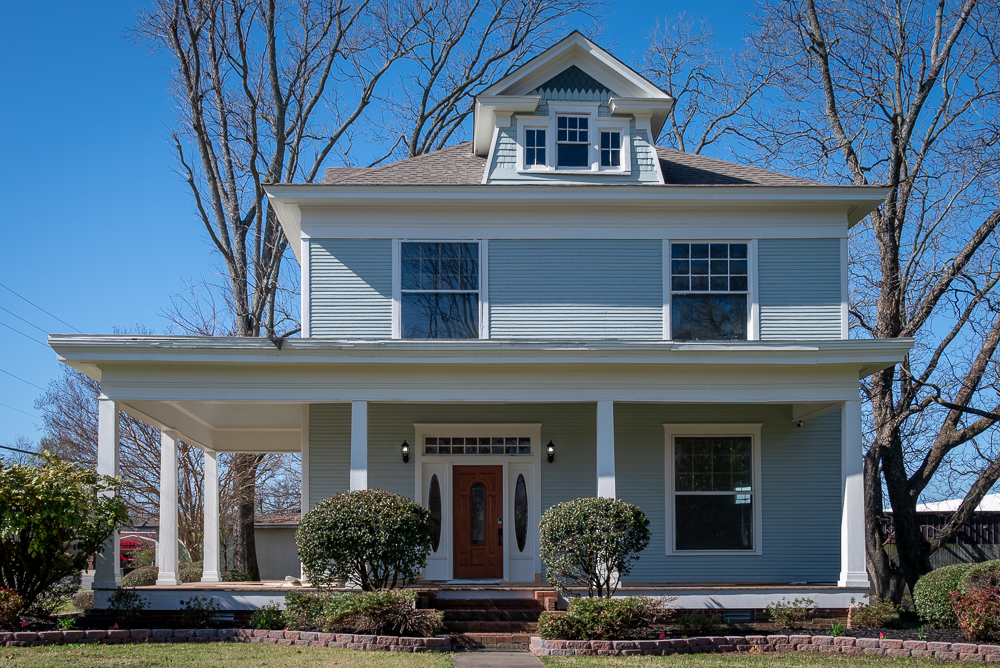
Utley House, 3 April 2022

The E. F. Utley house was built between 1914 and 1922 in Cabot, Lonoke, Arkansas and was listed on the National Register of Historic Places in 1998.

Dr. F. E. Utley (Francis Edwin Utley) who was born 10 Feb 1881 in Greenbrier, Faulkner County, Arkansas to Francis David Utley and Amanda Melvina Snow. Dr. Utley married Rosa Lee Ray on 29 Dec 1901 in Hardinville, Faulkner County, Arkansas. He died in the house on 25 Oct 1952 and was buried at Mt Carmel Cemetery in Cabot.

(Note: listed on the 1940 US Federal Census twice. Once at home with the family and the other as a TB patient at the Arkansas State Tuberculous Sanitarium near Booneville in Logan County.)

Rosa Lee Ray was born 27 August 1881 in Arkansas and died 1 Dec 1955 in Pulaski County, Arkansas. She is buried next to her husband.

The Utley’s had three children; Arlis Dee Utley, Geneva Pauline Utley and Francis Edward Utley, Jr.

Lordy, It’s Been Awhile!

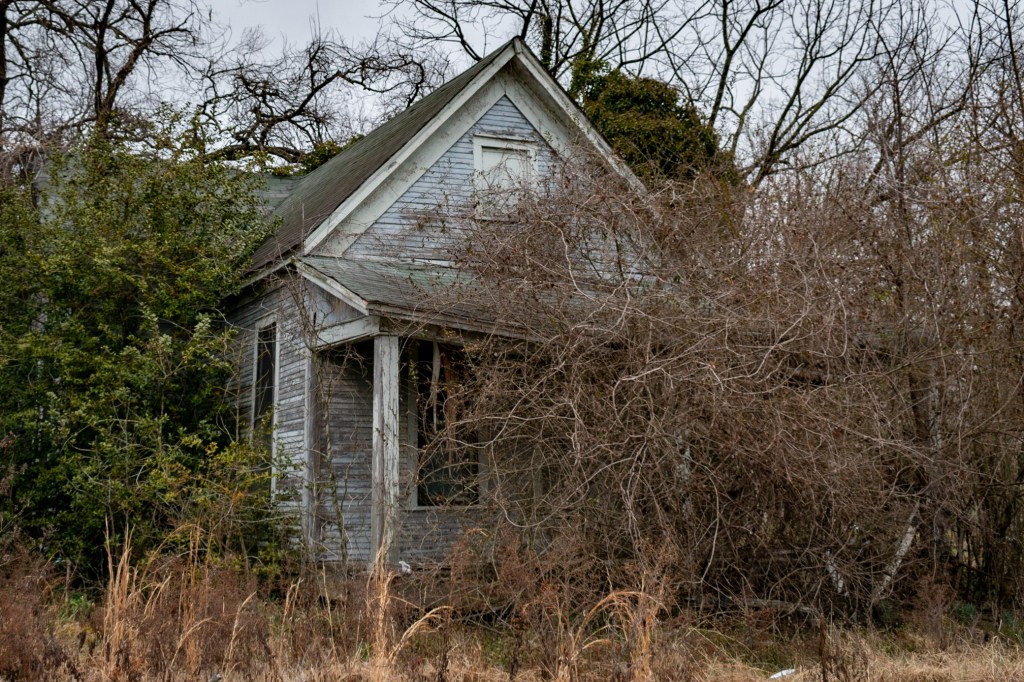
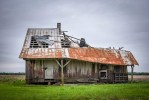
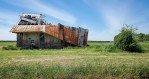
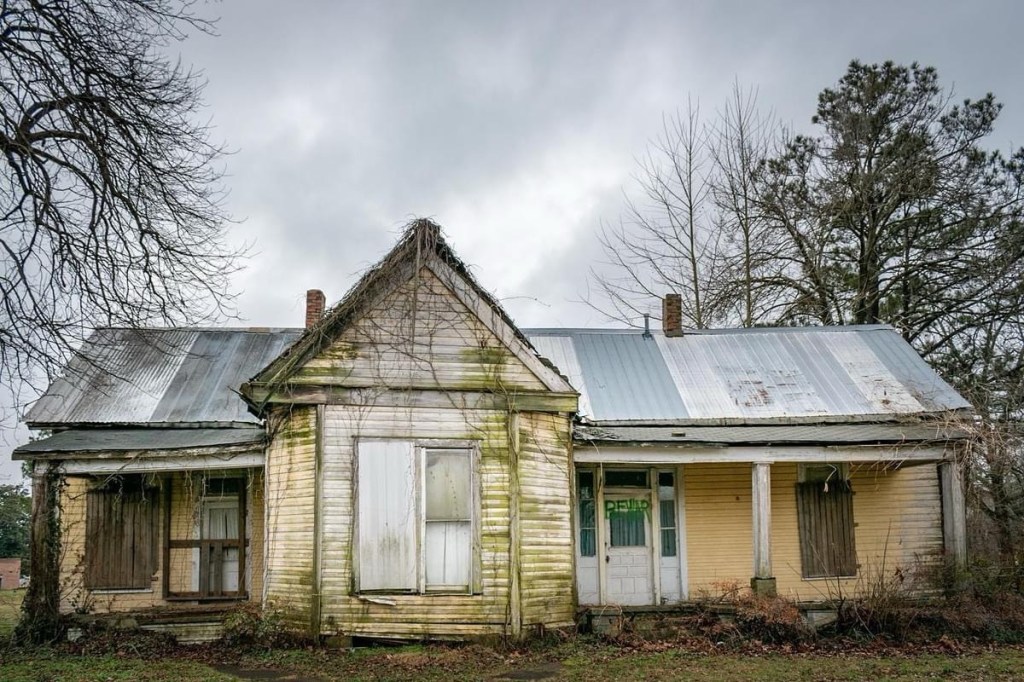
Abandoned in Cotton Plant

Honestly, I thought I deleted this blog a long time ago. I was surprised to see it still existed.

Things have changed.

The blog is no longer known as Along the Way Arkansas. So, welcome to Arkie.ology!

Arkie.ology is my way of documenting all things Arkansas.

So sit back, relax and enjoy my visual road trip throughout the Natural State.


Fixer Upper

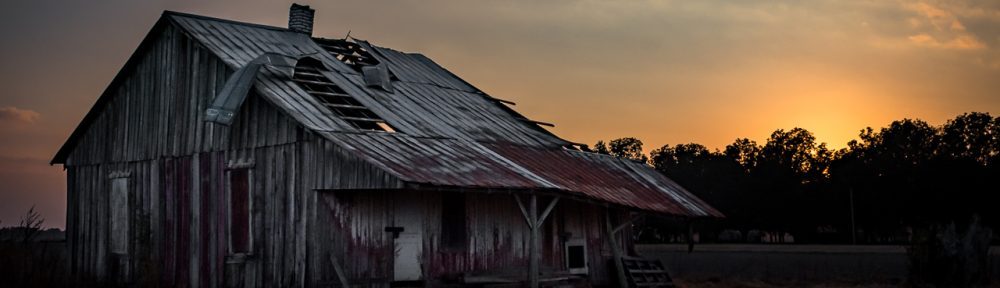
The old place is deteriorating fast these days. Wonder how much longer it will be until it completely falls down?

On Bearskin Lake Road, Scott, AR


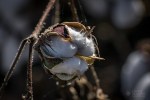
Cotton in the Raw

“Life is like a cotton. Don’t make it heavier by dipping it in the water of sorrow but make it lighter by blowing it in the joy of air.”

There’s a small patch of cotton growing at the Plantation Agriculture Museum State Park in Scott, Arkansas. As many times as I’ve driven past the museum, and have even stopped from time to time this year, yesterday was the first time I’ve noticed it!

Cotton and farming played an important role in the history of Scott, AR. Many prominent businessmen and lawyers from Little Rock owned plantations in the rich, fertile bottom land of Western Pulaski County along the Arkansas River. Very few of the plantations still exist today but the Plantation Agriculture Museum has gathered many of the items from those plantations as displays throughout this state park.

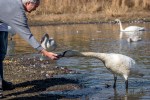
Trumpeter Swans of Heber Springs

“If we are willing to be still and open enough to listen, wilderness itself will teach us.”

Stephen Harper

The Math of Sunflowers and Crop Overlays in Lightroom

sunflower field near Conway, AR

I would try to explain the math of sunflowers but let’s face it, it’s math, and we all know how good I am at math. NOT! It blows my mind if I can’t count or figure it up on my fingers and toes. A great explanation of the Fibonacci sequence and the Golden Ratio found in middle of a sunflower is located at Nature Blows My Mind! The Hypnotic Patterns of Sunflowers.

For all my photographer friends out there using Lightroom. Did you know you can use the Golden Ratio overlay when cropping photos? While using the crop tool if you press the O key you can cycle through the many crop overlays available. When you find an overlay you like, if you press Shift O you can rotate the orientation of that overlay to fit your image if need be. More information on crop overlays in Lightroom can be found on Have Camera Will Travel.