Honoring Our Ancestors: A Journey Through Time and Tradition

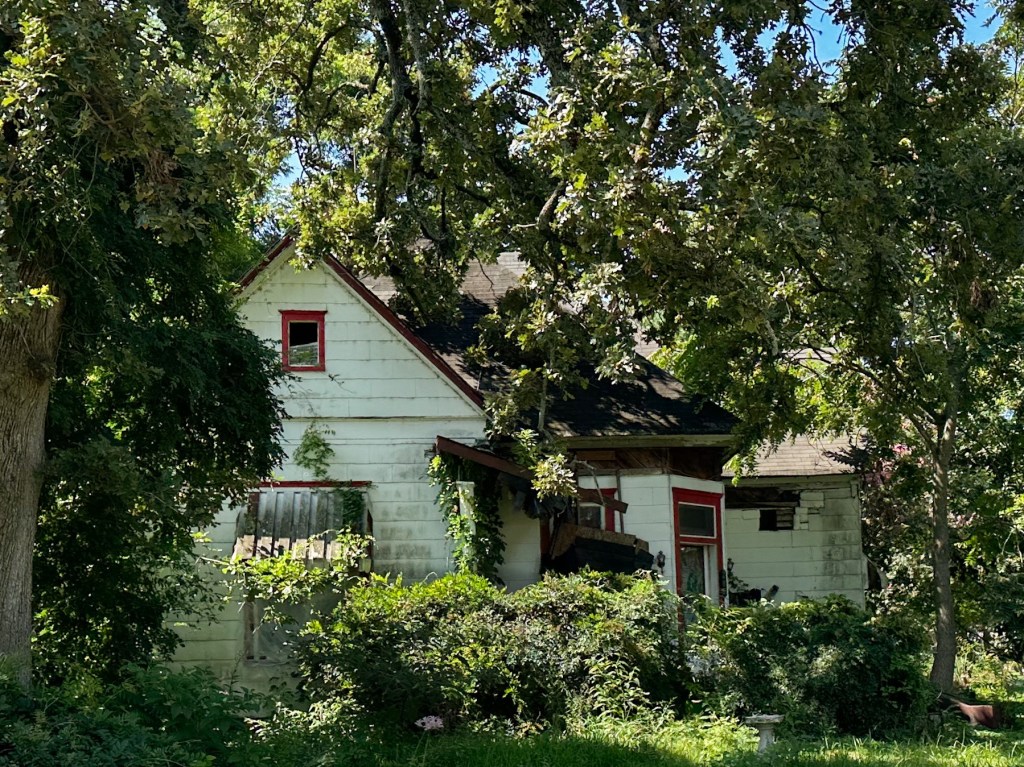
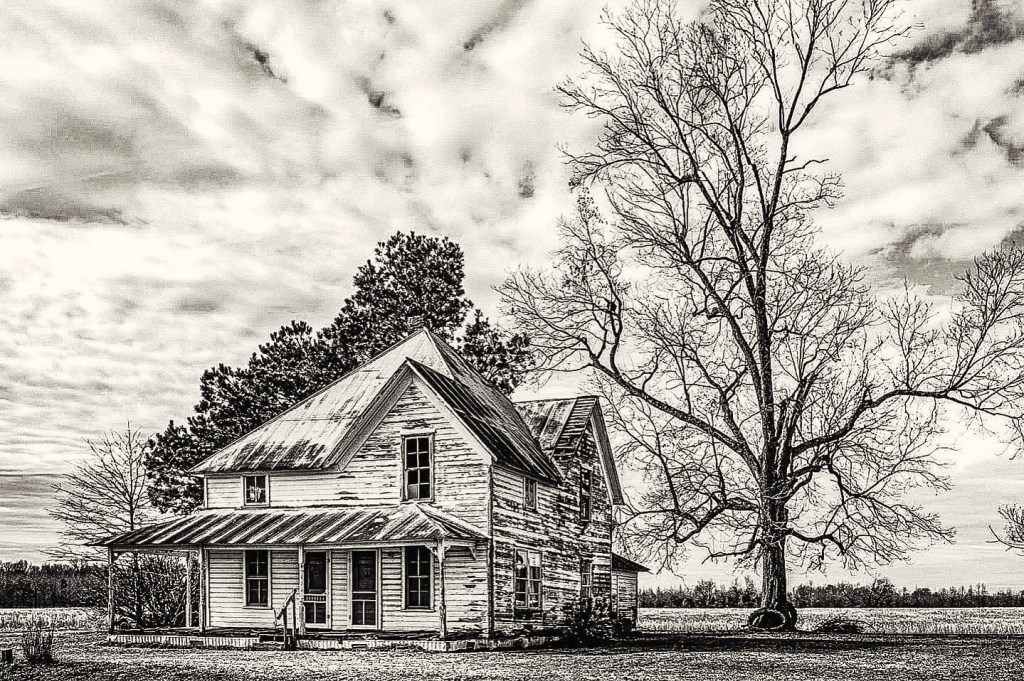
The Old Farmhouse

Our ancestors have bestowed upon us a treasure trove of wisdom, resilience, and love. Their lives, filled with both triumphs and challenges, have shaped the world we live in today. Honoring them is not only a way to acknowledge their contributions but also to connect with our roots and understand our place in the grand tapestry of life.

Remember Their Stories

Sharing the tales of our ancestors’ lives helps keep their memory alive. Whether it’s recounting stories of their hardships and victories or simply remembering their daily routines, these narratives provide a sense of continuity and connection to our past.

Preserve Traditions

Engaging in customs and rituals that were important to our ancestors is a meaningful way to honor them. Cooking family recipes, celebrating cultural festivals, or practicing traditional crafts can bring a sense of closeness and respect for their legacy.

Maintain Gravesites

Regular visits to gravesites, keeping them clean, and adorning them with flowers or other meaningful items can be a poignant way to show respect. It’s a physical manifestation of our remembrance and care.

Create Memorials

Dedicating a space in your home with photos and keepsakes of your ancestors can serve as a daily reminder of their presence in your life. Lighting a candle in their memory can be a simple yet powerful ritual.

Live Their Values

Embracing the values that our ancestors held dear, such as kindness, hard work, and community service, is one of the most profound ways to honor them. By living in a way that reflects their beliefs, we ensure their spirit lives on through our actions.

Research Your Ancestry

Delving into your family history through genealogy can deepen your appreciation for your ancestors. Understanding where you come from and discovering your roots can be a transformative experience.

Storytelling and Sharing

Organizing family gatherings where stories about ancestors are shared fosters a sense of belonging and continuity. These gatherings can be a time to reflect, remember, and reconnect with your heritage.

Celebrate Their Lives

Marking significant dates, such as birthdays and anniversaries, with ceremonies or quiet reflections can be a beautiful way to honor your ancestors. These moments of remembrance can bring comfort and a sense of connection.

Living Their Legacy

Ultimately, the greatest gift our ancestors have given us is the understanding that we are not alone. By honoring their legacy, we honor ourselves and the future we are building for those who will come after us. It’s about keeping their spirit alive in our hearts and actions, finding strength in their stories, and drawing inspiration from their lives.

Honoring our ancestors is a journey—a journey that connects us to our past, enriches our present, and guides our future.
Spooky Beauty

Unveiling the Mysteries of the Haunted Allen House

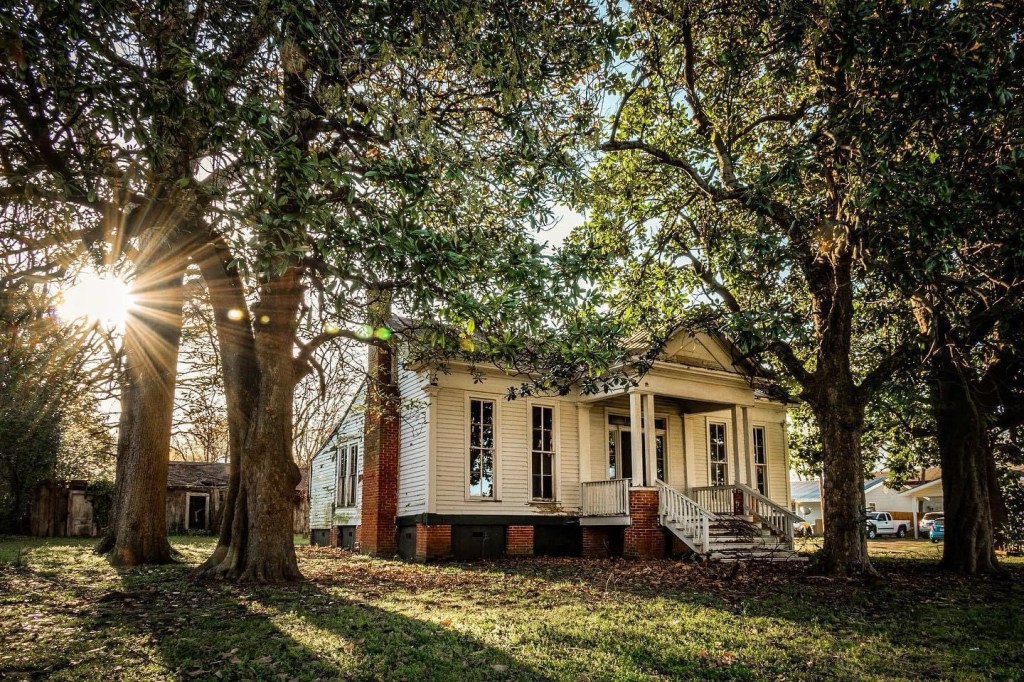
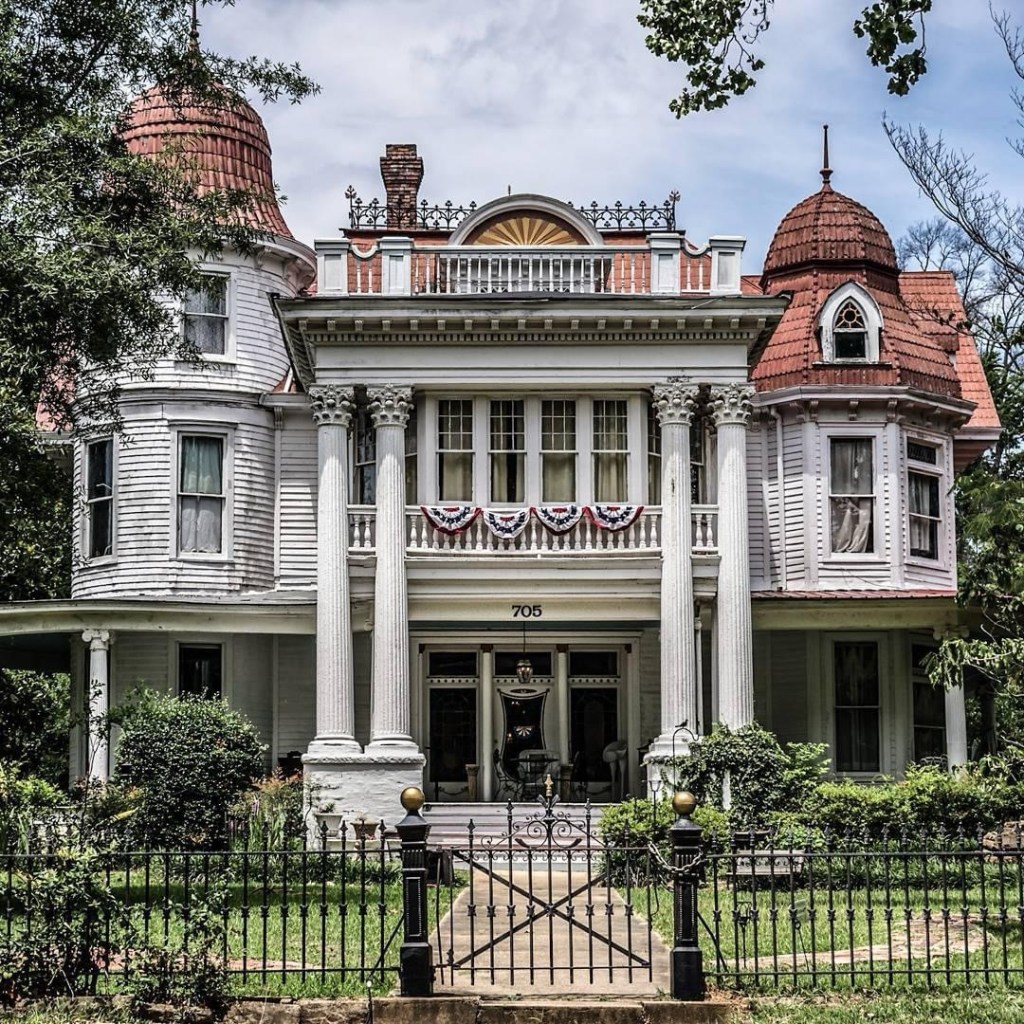
Nestled in the charming town of Monticello, Arkansas, the Allen House stands as a testament to both architectural beauty and eerie history. Built in 1906 by the prominent businessman Joe Lee Allen, this grand home has become a focal point for ghost hunters and history enthusiasts alike.

The Allen House

The Tragic Tale of Ladell Allen

The most haunting story associated with the Allen House is that of LaDell Allen, Joe Lee Allen’s daughter. On Christmas 1948, Ladell tragically took her own life by consuming cyanide, passing away eight days later. Her grief-stricken mother sealed off Ladell’s room, leaving it untouched for nearly four decades. When the room was finally opened, a cyanide bottle was discovered on a closet shelf, adding to the house’s mystique.

Paranormal Activities

Over the years, numerous tenants have reported strange occurrences within the Allen House. From sightings of a woman in the window of Ladell’s room to unexplained noises and movements, the house has earned its reputation as one of Arkansas’s most haunted locations. The current owners, Mark and Rebecca Spencer, uncovered 90 letters that revealed a secret relationship, possibly explaining Ladell’s tragic decision.

A Destination for the Brave

Today, the Allen House is a popular destination for those intrigued by its chilling past. Guided tours are available, especially around Halloween, offering a glimpse into the house’s storied history and paranormal activities. Visitors often leave with a sense of awe and a few goosebumps, having experienced the blend of beauty and mystery that defines the Allen House.

Capturing the Essence

For photography enthusiasts like myself, the Allen House offers a unique opportunity to capture the essence of a bygone era. The intricate details of its architecture, combined with the haunting stories, make for compelling subjects. Whether you’re drawn to its historical significance or its ghostly tales, the Allen House is a place where the past and present intertwine in the most fascinating ways.

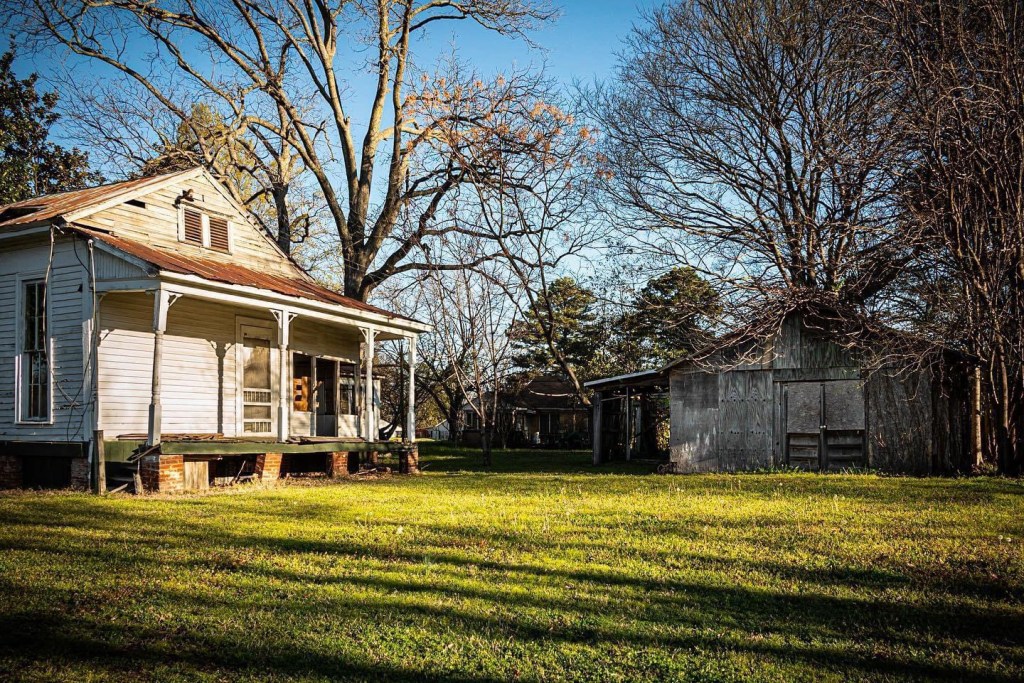
Pappaw’s Smokehouse

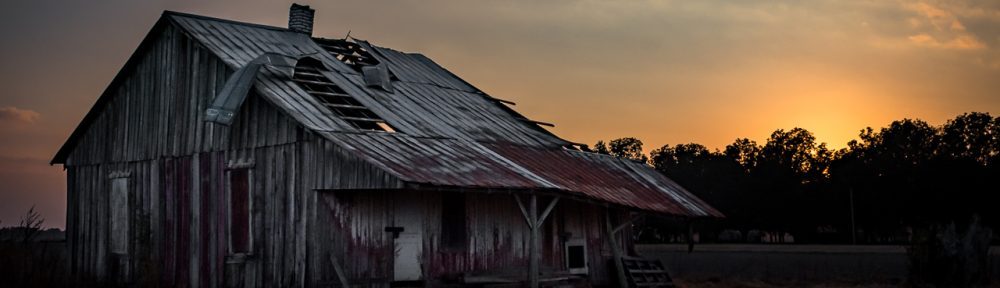
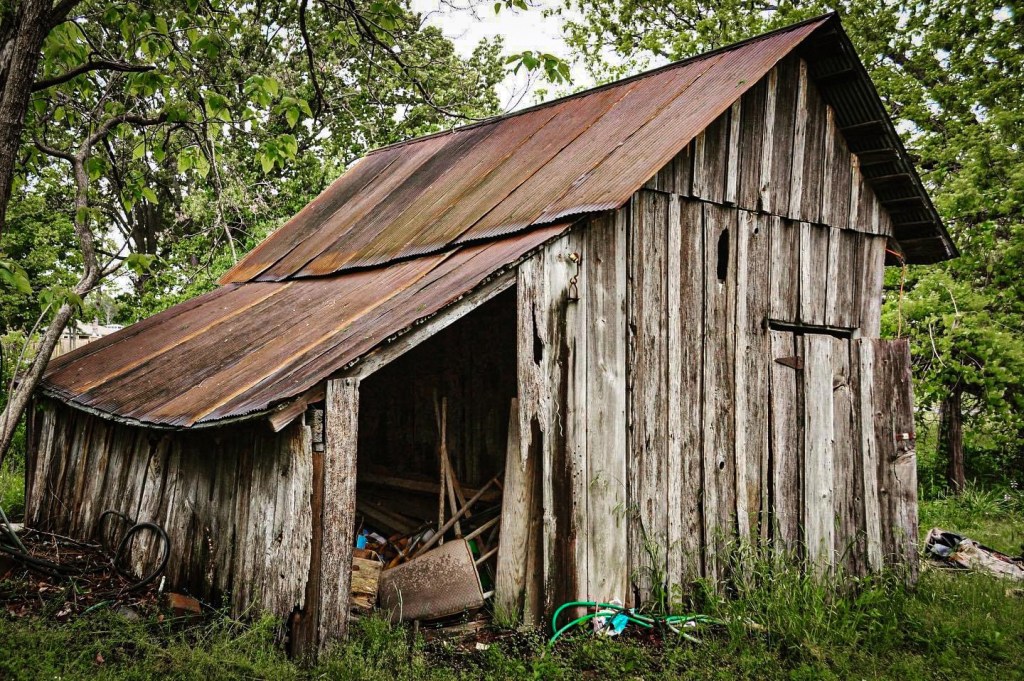
Nestled among mature pecan trees and the gnarled grapevines, Pappaw’s smokehouse stood as a testament to bygone days. Its timeworn boards sagged under the weight of countless seasons, each groove etched with stories of laughter, love, and sustenance. Once, it had been more than mere shelter—it was a chamber of alchemy, where fragrant hickory and oak danced with fire, transforming humble cuts of meat into savory sustenance.

The family would gather there, their laughter mingling with the aromatic tendrils that escaped through the gaps in the wood. Children played tag around its sturdy legs, their imaginations fueled by the promise of secret hideaways within. Pappaw’s daddy, with his weathered hands, tended the fire, coaxing flavors from the smoke. The air itself seemed to carry the taste of smoked ham and bacon, a comforting embrace for all who entered.

But as the years wore on, Pappaw’s family grew smaller, and the fires in the smokehouse dwindled. The once-bustling gatherings became intimate affairs—a handful of loved ones huddled around the hearth, sharing memories and savoring the fading warmth. The scent of hickory lingered, but it no longer permeated the air with the same vigor.

The transformation was gradual. The smokehouse became a storage shed, its shelves laden with rusty tools, broken plows, and forgotten dreams. The scent of cured meats gave way to the mustiness of damp earth. Spiders wove intricate lacework across the forgotten corners, and the hinges groaned when the door swung open. The family rarely glanced its way, their lives consumed by busyness and change.

Still, there remained a magic about Pappaw’s smokehouse, a quiet resilience. It stood firm against encroaching vines, its chimney pointing toward the heavens. The sun painted patterns on its rusting roof, and the moon cast elongated shadows through gaps in the eaves. Some whispered that the smokehouse held memories etched into its very beams, the laughter of grandfathers, the tears of mothers, and the quiet giggles of children playing hide-and-seek.

Then came the autumn morning—the day the new owners arrived. They saw the smokehouse as an eyesore, a relic that hindered their vision of turning the old house into a wedding venue. The bulldozer arrived, its metal jaws hungry for timber. But Pappaw’s smokehouse resisted. Ancient timbers groaned as they were pried apart, dust swirling like memories set free.

As the last board fell, the smokehouse released its final sigh, a lament for days gone by. Pappaw’s smokehouse was no more and its secrets buried beneath splintered wood. Yet, in the quiet of the night, when the wind rustled through the grass, some claimed they heard echoes of laughter, the confessions, and the promises, rising from the earth.

And so, the old smokehouse transformed into a memory, etched into the collective consciousness of the family. Its legacy persisted in the stories handed down from generation to generation. The children could no longer explore its ruins or listen to the tales of old, for all those who once used the old smokehouse, when smoke curled from its chimney, had departed from this world.

Perhaps Pappaw’s smokehouse still stands as a phantom structure, its walls serving as a poignant reminder that even in demolition, beauty, history, and the quiet resilience of forgotten places endure.

Unveiling the Haunted Past in Lonoke

In the old home in Lonoke, Arkansas, when the spirits stirred, residents would hear knocks on the entry doors. Yet, upon opening the door, no one was ever there.

The footsteps danced across the upstairs floorboards, their echo haunting the quiet rooms. From the shadows, an unseen spectral grip emerges, leaving unmistakable marks on unsuspecting residents. And sometimes, inexplicably, the floor trembled, as if a phantom presence walked nearby, though no living soul stirred.

The doors, bolted shut against the unknown, would suddenly swing open. But if they were already ajar, they would close abruptly, as if guided by unseen hands. Black masses gathered, swirling like ink spilled across the ceiling. And evidence of orbs appeared in family photographs, floating overhead.

Within the timeworn walls of the residence, the residents strain to decipher the voices that echo through the rooms. Words, half-formed and laden with mystery, drift like smoke on the air. It’s as if the spirits themselves guard their secrets, veiling their intentions in whispers.

Who, or what, dwells within these ancient walls? Are they restless souls, bound by unfinished business? Or perhaps something older, more primal, woven into the very fabric of the house? And what other tales lie dormant, waiting for a curious soul to unravel them? The old home keeps its secrets close, and those who listen may find themselves forever changed.

The Silent Watcher

The Mathis-Hyde House in Augusta, Arkansas stands as a silent sentinel, its timeworn facade concealing secrets that defy explanation. As a photographer, I ventured there one early morning, my camera capturing the play of shadows on the peeling paint.

The Mathis-Hyde House in Augusta, AR built 1865

The air felt unusually thick, laden with whispers. I adjusted my lens, framing the beautiful old details and the ancient oak tree beyond. But something shifted—a chill that crept up my spine. I glanced over to the barn, expecting to see a caretaker standing near.

Yet, the door hung askew, its rusty hinges protesting. And there, I glimpsed a figure—an otherworldly silhouette against the darkness of the early morning shadows.

The Mathis-Hyde House and Barn in Augusta, AR built 1865

My breath caught. The figure stood motionless, eyes fixed on me. Was it a trick of the light? Or had the past awakened, reaching across time to watch me?

As I hurried away, the whispers followed—the soft rustle of long-forgotten letters, the echo of laughter, and the weight of unspoken stories. The Mathis-Hyde House held its secrets close, and that day, it shared them with me.

So, fellow wanderer, heed my tale. When you visit, know that you’re not alone. The house remembers, and it watches.

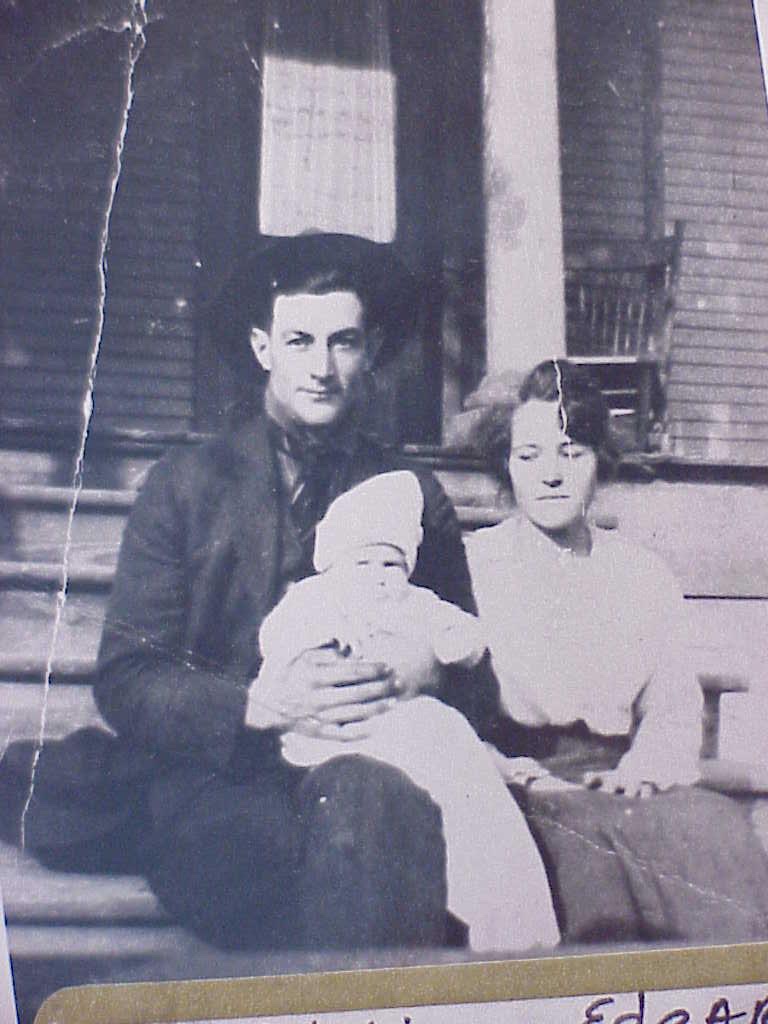
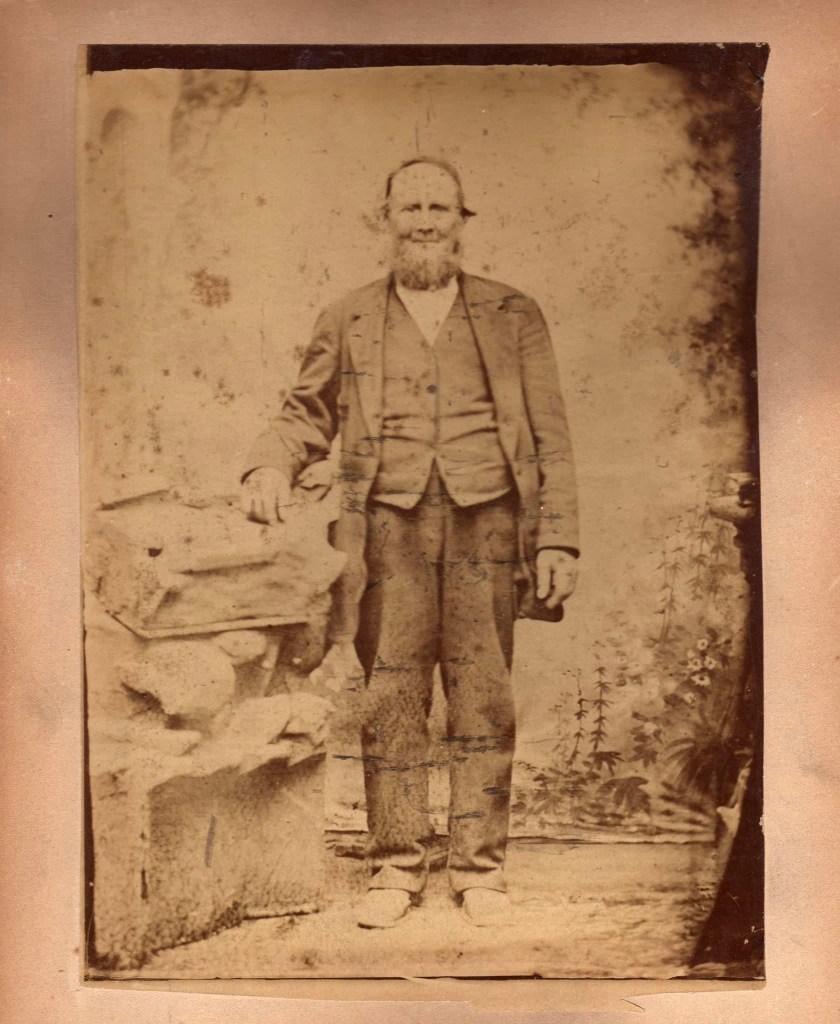
William D Whitney, 47 Year Old Brickwall

William D Whitney, 1821-?

William D Whitney was born about 1821 in Ohio. Parents unknown. The first official record of him is a marriage record. He married on 1 April 1841 in Athens County Ohio to a Emily (or Mary) French. She went by Amelia on most records.

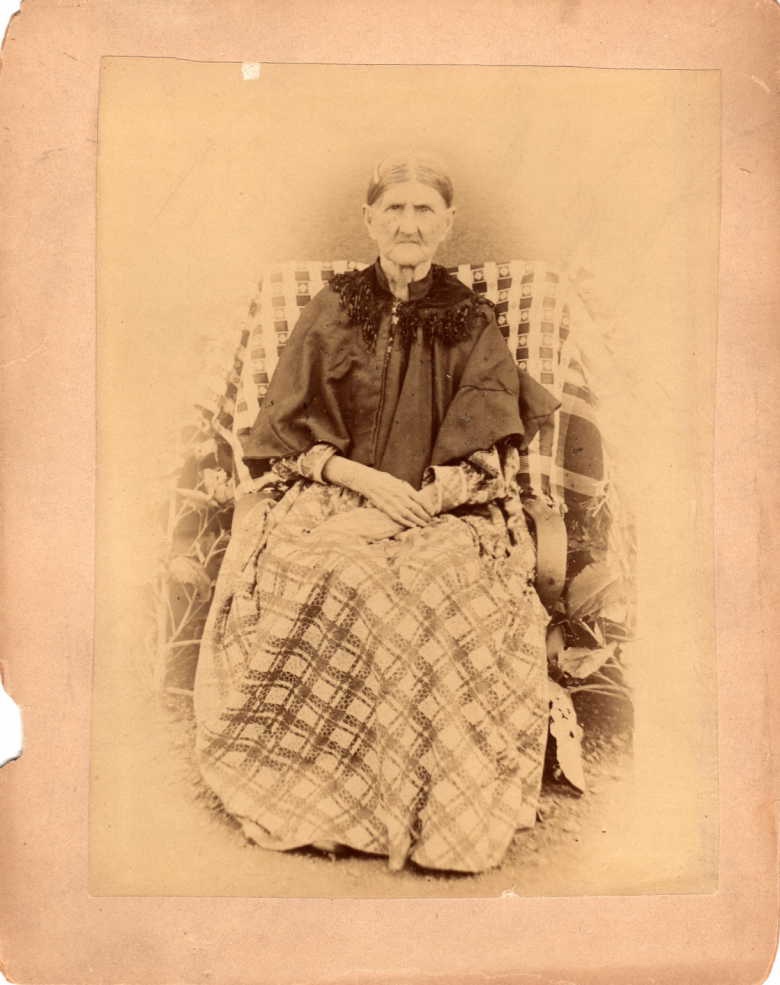
Amelia French, 1822-1906(?)

William and Amelia are next found on the 1850 US Federal Census, Section 10, Van Wert County, Ohio in the same home as the family of Sarah Brees Cline. Relationship unknown. Amelia’s sister Sarah French is living with them. William and Amelia have three children: John, Miriam, and Henry L.

In 1860, the family had moved to Lake, Logan County, Ohio and there are six children: John, Henry, Charles, Mathew, David and Sarah.

Miriam is not listed with the family in 1860 and there is a Miriam Whitney, daughter of W D and A Whitney, that is buried in Spoon Cemetery, Wharton, Wyandot, Ohio. The dates on Find-A-Grave don’t quite match but the tombstone image is not legible. Amelia’s sister Nancy M French Case lived in Wyandot County. I believe there is an error on Find-A-Grave and that the Miriam listed actually died in 1857 and that would line up to be the correct Miriam.

By 1870, William, Amelia and six children: John, Henry, Martha (?), David, Sarah and James are in Meramec, St Louis, Missouri. The whereabouts of Charles and Mathew are unknown.

The 1880 US Federal Census lists, William and Amelia living with two of their children: Sarah and James as well as a 6 year old granddaughter, Levina F. (parents unknown). They are in Ramsey, Fayette County, Illinois.

Nothing is known of William D Whitney after that. By 1900 his wife is listed on the census, living with her daughter, as a widow.

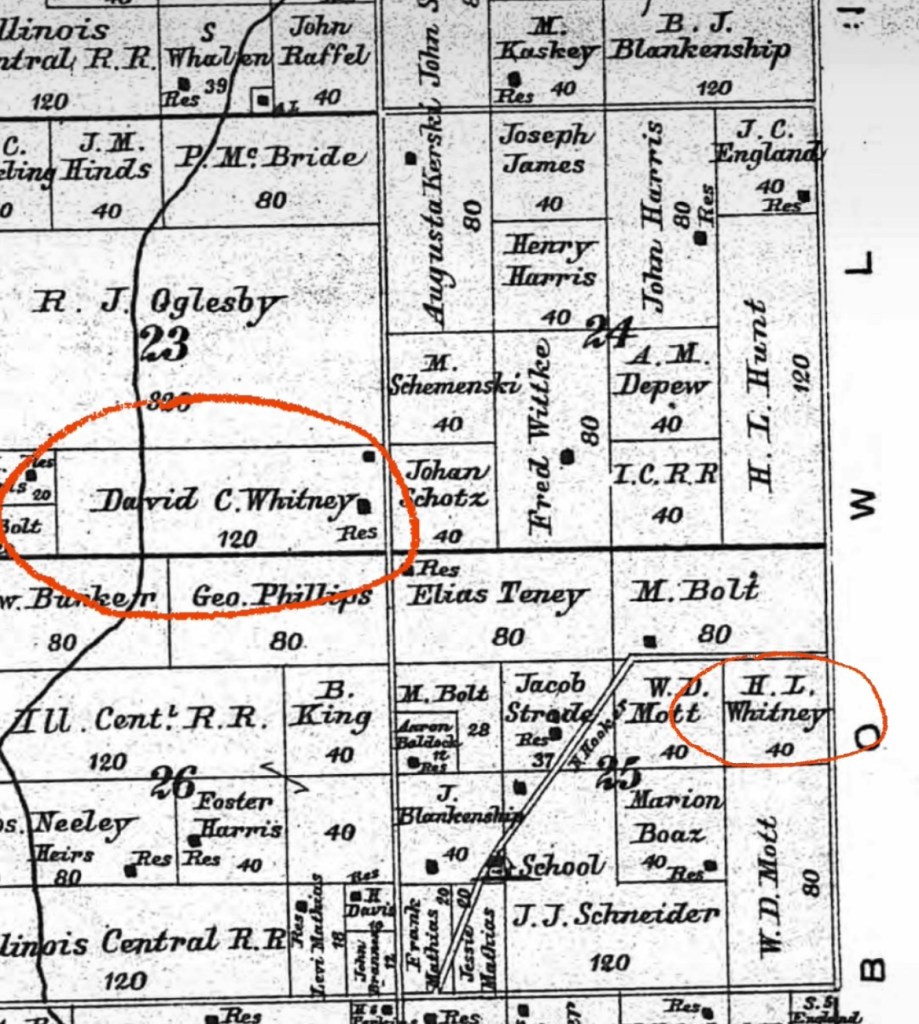
A 1891 plat map of Fayette County Illinois shows his sons, David Case Whitney, owning 120 acres and Henry Louis Whitney owning 40 acres. By 1900 David and Henry are living in East St Louis, St Clair, Illinois. Sarah, with Amelia, are living in Edwardsville, Madison County, Illinois.

Amelia is listed on the census as being the mother of 9 children, 4 living. The four are Henry, David, Sarah and Unknown. James died about 1897 and the nothing has been found about the other children. Nothing is known about the granddaughter on the 1880 census.